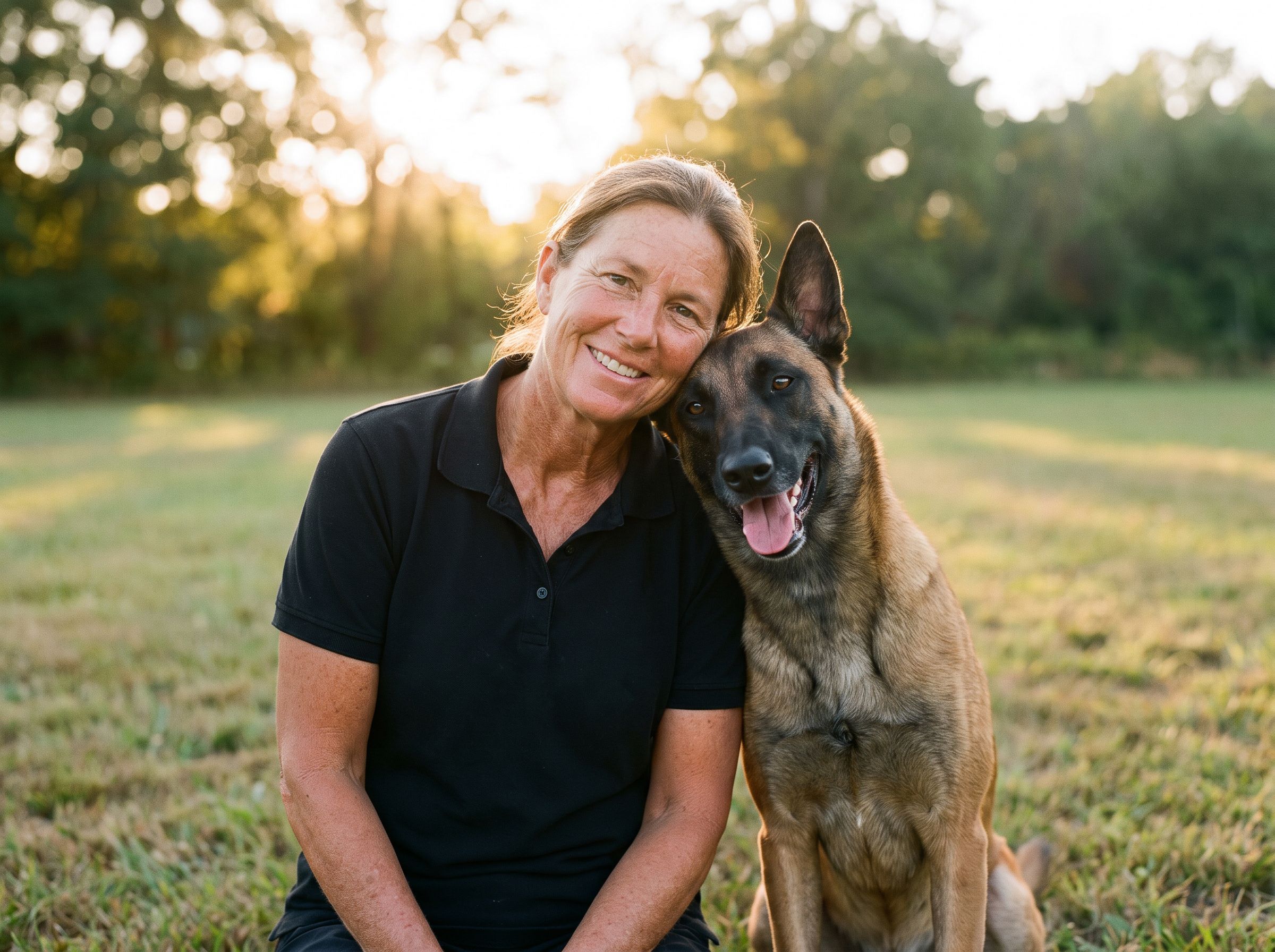
How to Choose a Dog Trainer
Questions to ask, red flags to watch for, and what a good evaluation looks like.
Dog Training Is an Unregulated Industry
Anyone can call themselves a dog trainer. There’s no state license required in Maryland, so it’s up to you to ask good questions. The right trainer can change your life with your dog; the wrong one can waste months and make problems worse.
Questions to Ask Any Trainer
Before you commit, ask:
- Can I see you work with my dog first? A good trainer will want to meet your dog before recommending a program.
- What results can I realistically expect? Be wary of guarantees that sound too good to be true, especially for aggression.
- How will you teach me? If the owner isn’t trained, results fade.
- What happens after the program ends? Look for ongoing support, not a one-and-done transaction.
- What tools and methods do you use, and why? A good trainer will explain clearly and tailor the approach to your dog.
- Do you train in real-world environments? Obedience that only works indoors isn’t enough.
Red Flags
- No evaluation, just a one-size-fits-all package
- Unwilling to show you training in action
- Vague answers about methods or what’s included
- No plan for transferring skills to the owner
- No follow-up after the last session
What a Good Evaluation Looks Like
A good evaluation is a two-way interview. The trainer should ask about your dog’s history and your goals, observe your dog’s behavior, show you how your dog responds to clear communication, and give you an honest recommendation, even if it’s not what you expected. Ours is free: book yours here.
Ready for a Better-Behaved Dog?
Tell us what’s going on with your dog. We’ll set up a free, no-pressure evaluation, show you what’s possible, and recommend the program that fits your dog and your schedule.

